
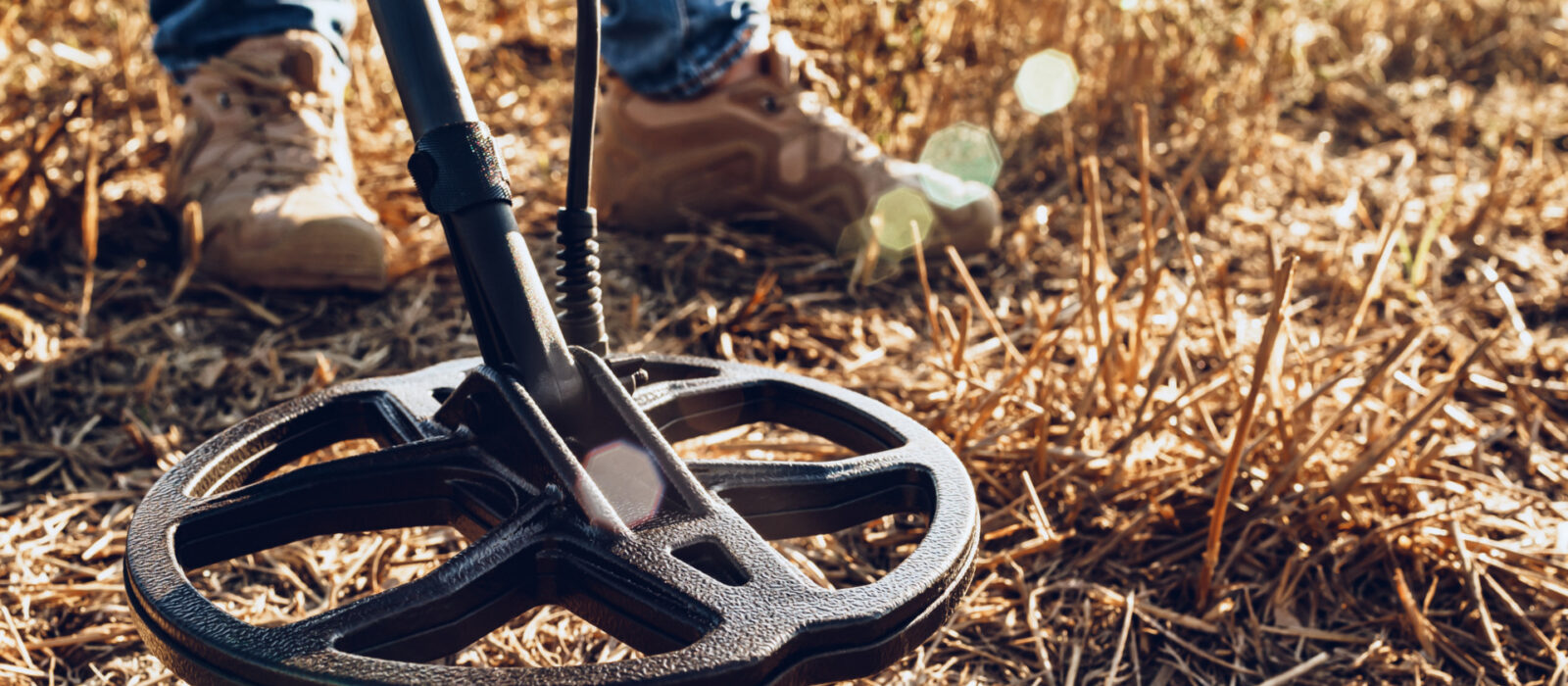
Hunting fields, local parks, and special permission sites for coins, relics, and buried artifacts.
Montana’s history runs deep. Homesteads, frontier towns, military encampments, trading posts, and the lives of generations of settlers left objects in the ground across this state that have never been recovered. Metal detecting is how those objects come back to the surface. Beartooth Treasure Hunters gives members the knowledge, access, and community to find them.
FIELDS AND FARM SITES
Old homestead sites and agricultural fields are among the most productive ground a detectorist can work. Where people lived, worked, and gathered, objects were lost and left behind. Buttons, coins, tools, personal items, and occasionally something genuinely significant turn up in ground that looks completely unremarkable from the surface.
Working farm sites and old homesites requires permission and the ability to read the land for signs of past activity — old trees, depressions, stone foundations, and changes in vegetation that point to where structures once stood. Beartooth members learn to identify productive sites and to approach landowners in ways that get a yes more often than a no.

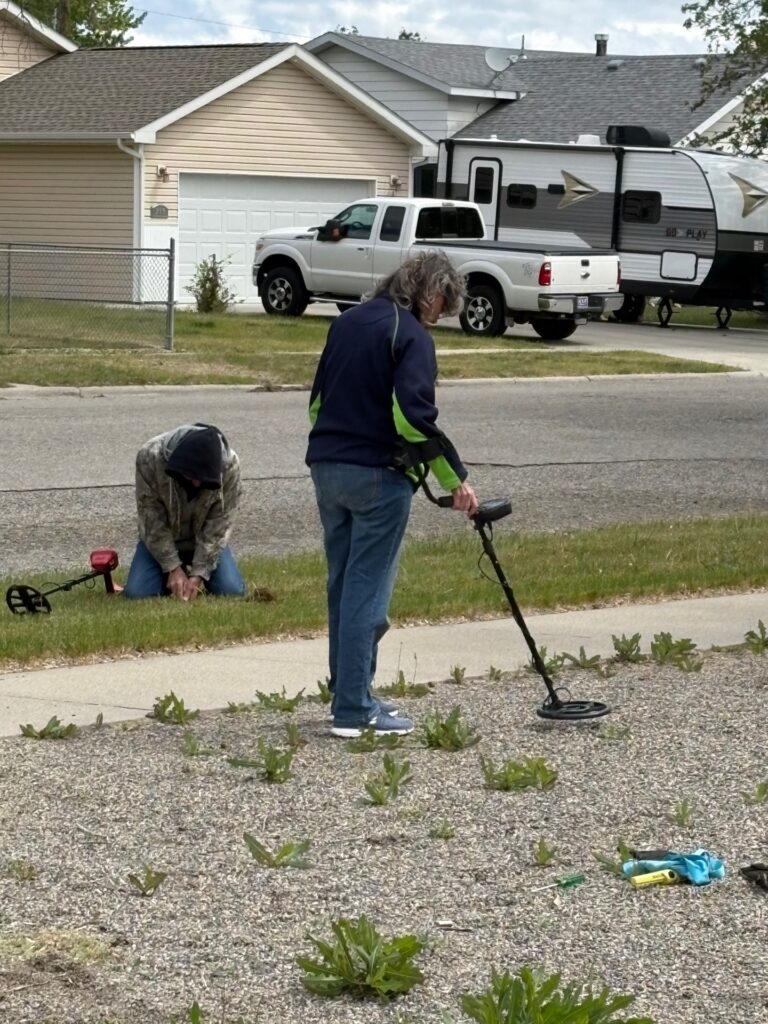

LOCAL PARKS AND PUBLIC SPACES
Parks and public gathering spaces have been collecting lost objects for as long as people have used them. Coins, jewelry, and personal items lost at picnics, events, and everyday use accumulate over decades in ground that is accessible and legal to detect with the right permissions in place.
Modern losses mix with older finds in parks that have seen generations of use. A park established in the early 1900s may have a coin line that runs from wheat pennies and Buffalo nickels down to older material depending on how deep the soil goes and how much ground disturbance has occurred over the years. Knowing how to read that layering and how to dig cleanly without leaving a trace is part of what Beartooth members learn.
SPECIAL PERMISSION SITES
Some of the most historically significant detecting ground in Montana is on private land that requires building a relationship before anyone gets access. Old military sites, frontier trading post locations, early settlement areas, and land that has never been detected sit behind permission walls that most detectorists never get through.
Beartooth Treasure Hunters has established relationships with landowners across the region that give members access to ground most people will never swing a coil over. Those relationships are built on trust, on leaving sites better than we found them, and on the reputation the club has earned over years of responsible detecting. Membership opens doors that individual detectorists simply cannot open on their own.
WHAT YOU MIGHT FIND
Montana ground holds a remarkable range of material depending on where you are hunting. Coins range from modern clad to early American silver and copper. Relics include military buttons and insignia, pioneer-era tools and hardware, personal items, and trade goods. Occasionally detectorists turn up buried caches, forgotten collections, and objects with genuine historical significance.
Not every hunt produces a trophy find. The productive detectorist learns to appreciate the information each target provides — what it says about the history of a site, what it suggests about where to look next. The hunt matters as much as what comes out of the ground.
DETECTING RESPONSIBLY
Access to good detecting ground depends entirely on reputation. A detectorist who leaves holes open, damages property, or removes historically significant objects without documentation loses access and makes it harder for everyone who comes after them.
Beartooth Treasure Hunters takes responsible detecting seriously. Members learn proper digging and recovery technique, how to document significant finds, and how to leave a site in the condition they found it. That reputation is what keeps the permission sites open and the landowner relationships intact.
JOIN THE HUNT
Beartooth Treasure Hunters gives you more than detecting knowledge. It gives you access to sites, experienced mentors who know this ground, and a community of people who take the history as seriously as the finds.
Getting out with the right people in the right places produces results that solo detecting rarely matches.