Treasure hunting is a solitary pursuit by reputation. Most people picture a lone figure walking a field with headphones on, or a prospector working a creek bend alone. That picture is accurate as far as it goes. But the prospectors and detectorists and rockhounds who find the most, learn the fastest, and stay with the hobby longest are almost never working entirely alone. They are connected to people who share information, open doors, and make the whole thing more worthwhile.

That is what Beartooth Treasure Hunters is built around.

PEOPLE WHO SHOW UP

Membership in any club means something different depending on who actually shows up. Beartooth has the kind of membership that shows up — at monthly meetings, at club outings, and when another member needs help identifying a find or navigating a permission conversation or figuring out why their equipment is not behaving the way it should.

That showing up is not incidental. It is the product of a club culture that has developed over years of people treating the hobby and each other seriously. New members notice it quickly. The people in the room have been at this a long time and are willing to bring newcomers along.

MENTORSHIP

Every experienced Beartooth member was a beginner once. The techniques that feel natural after years of practice were confusing and inconsistent at the start. The locations that now produce reliably took time and wrong turns to find. The landowner relationships that open private ground were awkward conversations before they became trusted partnerships.

New members do not have to start from zero. The accumulated experience in the club is available to them from their first meeting. An experienced member who has spent seasons on the Yellowstone or working the bench deposits above old placer claims carries knowledge that no online resource replicates. A member who has been at it for years and knows a particular county’s homestead history can point a new member toward ground they would never have found independently.

That transfer of knowledge is one of the most valuable things a club membership provides and one of the hardest things to put a number on.

SHARED OUTINGS

Reading about technique is useful. Watching a video helps. Getting into the field with someone who knows what they are doing is something else entirely.

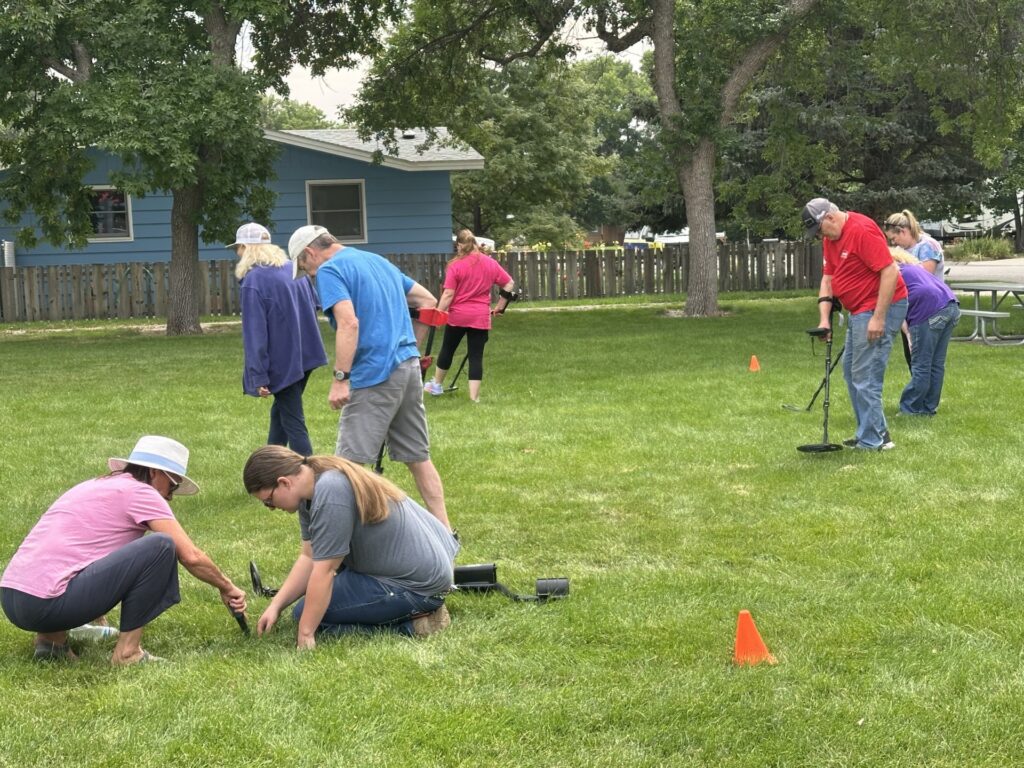
Beartooth club outings put members on productive ground together. Beginners work alongside experienced hunters and learn by watching, asking, and doing in real conditions rather than controlled environments. Experienced members sharpen their own skills by teaching. Explaining what you do automatically forces you to understand why.

Outings also surface the kind of ground that individual members rarely find on their own. Club relationships with landowners and permitted areas mean members have access to sites that take years of relationship-building to open. Showing up to a club outing on a well-established permission site is a shortcut that individual effort simply cannot replicate.

SHARED KNOWLEDGE

A find means more when you can share it with people who understand what you found. Identifying an unusual coin, dating a relic, placing a geological specimen in its formation context — these are things experienced club members do as a matter of course that beginners cannot do alone.

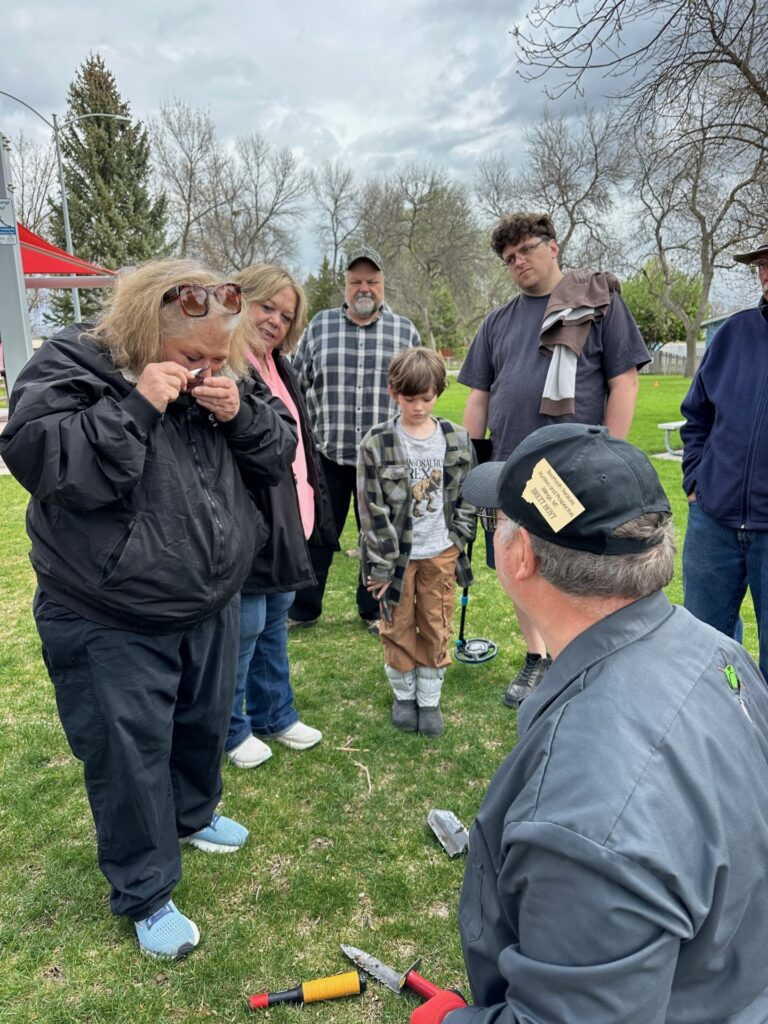
Beartooth members bring their finds to meetings, ask questions, and get answers from people who have seen similar material in the field. It works both ways. The person asking learns something, and the person answering often revisits knowledge they had not thought about in years.

The collective identification and documentation of finds also builds the club’s understanding of what the region’s ground holds, which informs future research and makes everyone’s outings more focused.

A CULTURE OF RESPONSIBILITY

The reputation of every individual member reflects on the club. A hole left open in a farmer’s field, a restricted site accessed without permission, a significant artifact removed without documentation — these are not just individual failures. They close doors for every other member and damage a reputation that took years to build.

Beartooth takes that seriously. New members learn responsible practices from their first outing. Experienced members model them consistently. The culture is not enforced through rules — it is maintained through example, through the expectation that everyone who carries the club’s name in the field represents it well.

That culture is also why the club’s permission relationships have held and grown over the years. Landowners who have had Beartooth members on their property know what to expect. That trust is the club’s most valuable asset and every member’s responsibility to protect.

COME SEE FOR YOURSELF

You do not have to be a member to come to a meeting. The best way to understand what Beartooth Treasure Hunters is and whether it is the right fit is to spend an evening with the people in the room.

First Tuesday of each month, March through October. 4B’s Restaurant, Billings, Montana. 6:00 PM.

Most people who come to one meeting come back.

Finding good ground is half the work. The best equipment and technique produce nothing if you are hunting the wrong location. Beartooth Treasure Hunters treats location research as a core club activity — pooling member knowledge, historical records, and field experience to identify productive ground that individuals working alone rarely find.

HISTORICAL RECORDS

Montana’s treasure hunting history is extensively documented if you know where to look. General Land Office survey records, homestead filings, old mining claims, military records, newspaper archives, and county histories contain information about where people lived, worked, and lost things across the region going back to the earliest settlement period.

Learning to use those records is a skill. A GLO survey plat from the 1880s shows the location of structures, trails, and improvements that have long since disappeared from the landscape. A historical newspaper account of a mining camp places people in specific terrain at a specific time. An old county history names the families who homesteaded particular sections of land and how long they were there.

Beartooth members learn to access and interpret these records and to translate what they find on paper into productive locations in the field. The research skills that surface a promising homestead site or an overlooked placer deposit are transferable — once learned, they apply everywhere.

LEGAL HUNTING AREAS

Knowing where you are legally permitted to hunt is not optional. Detecting, prospecting, or rock hounding on land where it is prohibited — whether federal, state, tribal, or private without permission — creates legal exposure for the individual and damages access for every club member who comes after them.

Montana’s land ownership is a genuine patchwork. Federal land managed by the BLM is generally open to recreational prospecting and detecting under specific rules. National Forest land has its own regulations. State land requires a license. Tribal land requires tribal permission. Private land requires landowner permission regardless of what any other rule says.

Beartooth Treasure Hunters maintains current working knowledge of legal access across the region and shares that knowledge with members. The rules change. Permitted areas shift. Staying current is an ongoing activity, not a one-time orientation.

NEW PROSPECTING SITES

Montana has been hunted but it has not been hunted out. There is productive ground across this state that has never been detected, never been prospected, and never been systematically rock hounded — because finding it requires research, legwork, and the kind of local knowledge that takes years to accumulate.

Beartooth members actively prospect new sites, report findings back to the club, and build a collective map of productive ground that grows with every outing. A member who identifies a promising gravel bar, a likely homestead location, or a geological formation worth investigating brings that information to the club. Other members test it, refine it, and add their own observations.

That collective intelligence compounds over time. A club that has been actively researching and hunting Montana for years knows things about this ground that no individual prospector could accumulate alone.

PERMISSION AND ACCESS

Some of the most productive ground in Montana is on private land. Building the landowner relationships that unlock that access requires patience, consistency, and a track record of responsible behavior in the field.

Beartooth Treasure Hunters has spent years building those relationships across the region. Members benefit from access that the club has earned — sites that would take an individual years to open, if they could open them at all. New members learn how to approach landowners effectively, what to say, what to offer, and how to conduct themselves in a way that keeps doors open for future visits.

Permission is not a one-time transaction. It is a relationship. The club treats it that way.

SHARING WHAT WE FIND

Location research only produces value when the findings get shared. Beartooth operates on the principle that knowledge hoarded is knowledge wasted. Members share productive locations, flag ground that has been worked out, warn each other away from access problems, and contribute to a collective understanding of the region that makes everyone more effective.

That is not naive idealism. It is practical. The club member who shares a good location gets back the accumulated knowledge of every other member who has done the same. Over time, that exchange produces better results than any individual working in isolation.

JOIN THE RESEARCH

The locations that produce consistently are not accidents. They are the result of research, relationship-building, and the accumulated experience of people who have been working this region for years. Beartooth Treasure Hunters gives you access to that foundation from your first day as a member.

Beartooth Treasure Hunters meets the first Tuesday of each month from March through October at 4B’s Restaurant in Billings. The meetings are where the club’s collective knowledge gets shared — experienced members presenting on what they have learned in the field, educational videos covering technique and equipment, and open discussion on the questions that come up when you are actively hunting Montana ground.

MEMBER PRESENTATIONS

The most useful knowledge in any club comes from the members who have been doing the work. Beartooth presentations draw on years of combined experience hunting Montana’s creeks, fields, badlands, and mountains — the specific knowledge of what works here, on this ground, in these conditions.

Presentations cover the full range of club activities. A member who has spent seasons working a particular river system shares what they have learned about reading the water and concentrating gold. A detectorist who has built relationships with landowners in a productive area walks through how those conversations go. A rockhound who has found a productive agate location explains how to identify similar terrain elsewhere.

That kind of knowledge does not come from books or online forums. It comes from people who have put in the time and are willing to share what they found.

EDUCATIONAL VIDEOS

Hands-on field experience is the best teacher, but the right video can compress years of learning into an evening. Monthly meetings include educational video content covering detecting technique, gold recovery methods, equipment operation and maintenance, and the geology that underlies productive treasure hunting in Montana.

Video content is selected to complement what club members are actively doing in the field — relevant to the season, the techniques being discussed, and the questions members bring to the meetings. A video on dry washing technique lands differently in early spring when members are planning summer outings than it does in mid-season when they are already in the field and running into problems.

TECHNIQUES AND EQUIPMENT

Equipment selection and proper technique are the difference between coming home with finds and coming home empty. Montana treasure hunting covers enough different disciplines — gold prospecting, metal detecting, rock hounding — that no single piece of equipment does everything, and no single technique applies everywhere.

Monthly programs help members navigate those choices. What detector works best for the ground conditions in a specific area. How to tune a dry washer for the grain size of material you are processing. Which agate hunting locations reward walking slowly versus covering ground. The practical answers to those questions come from experience, and monthly meetings are where that experience gets passed on.

PROPER TREASURE RECOVERY

Access to productive ground depends on how members conduct themselves in the field. Proper recovery technique — digging cleanly, filling holes completely, leaving sites in the condition you found them — is not just courtesy. It is what keeps landowner relationships intact and permission sites open for future hunts.

Monthly programs cover responsible recovery practices across all club disciplines. For detectorists, that means proper plug digging and soil replacement. For gold prospectors, it means leaving creek banks and gravel bars undisturbed beyond what the work requires. For rockhounds, it means taking only what is reasonable and leaving the site productive for the next person.

These are not abstract ethics. They are practical skills that protect the club’s access and reputation.

OPEN DISCUSSION

Some of the most useful time in any Beartooth meeting is the open discussion that follows the formal program. Questions get answered. Members compare notes on recent outings. Someone mentions a site they have been working and another member has relevant experience with similar terrain.

That conversation is hard to replicate anywhere else. It happens between people who are actively hunting the same ground, dealing with the same conditions, and genuinely invested in each other’s success.

COME TO A MEETING

Meetings are open to prospective members. If you are curious about what Beartooth Treasure Hunters does and whether membership is right for you, showing up to a monthly meeting is the best way to find out.

First Tuesday of each month, March through October. 4B’s Restaurant, Billings, Montana. 6:00 PM.

Montana is one of the best rock hounding states in the country. The geology here is genuinely diverse — ancient seabeds, volcanic deposits, glacial outwash, and exposed badlands formations that have been weathering out collectible material for thousands of years. Beartooth Treasure Hunters gives members the knowledge and access to work that ground productively.

AGATES

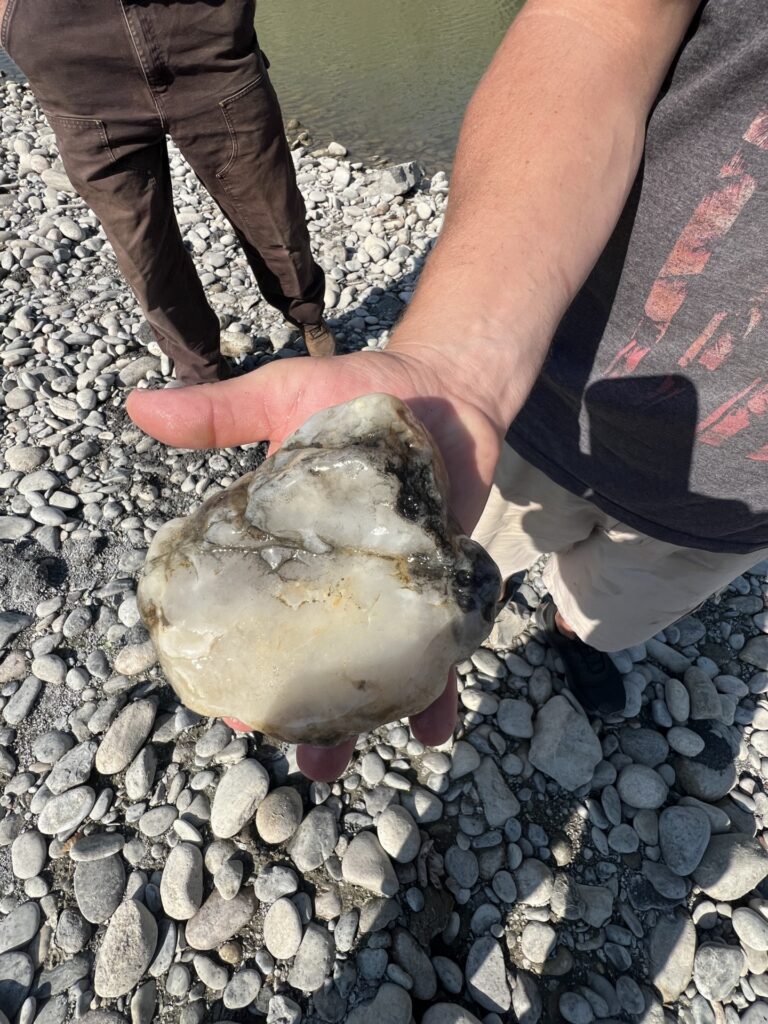
Montana agates are among the most recognizable and sought-after collectible stones in the American West. Formed in the ancient silica-rich sediments of the Yellowstone River drainage, they carry distinctive black dendritic inclusions that make each stone unique. No two Montana agates look alike.

The Yellowstone River and its gravel bars are the classic agate hunting ground, but material has spread far beyond the primary source through glacial action and river migration over millennia. Knowing where to look — which gravel formations are productive, which bars have been worked out, and which terrain features concentrate material — is what separates members who consistently find quality stones from those who walk the same ground and come home empty.

Beartooth members learn to identify agate in rough form, which is considerably harder than identifying a polished stone. Raw agates hide in plain sight until you know what you are looking for. That skill, once developed, changes every gravel bar you ever walk.

SAPPHIRES

Montana is one of only a handful of places in the world with significant sapphire deposits. The Yogo Gulch sapphires in Judith Basin County are world-famous for their cornflower blue color and exceptional clarity. Alluvial sapphire deposits along the Missouri River drainage — particularly around Gem Mountain and the El Dorado Bar area — have been producing gem-quality stones for over a century.

Montana sapphires range from commercial gem quality to collector specimens and come in a remarkable range of colors beyond the classic blue — green, yellow, orange, and the rare padparadscha pink-orange. Identifying rough sapphire in stream gravel takes a trained eye. The stones are small, heavy, and often coated in matrix that obscures their character until they are cleaned.

Beartooth members learn the basics of sapphire identification, the geology that produces Montana’s deposits, and which areas are accessible to rockhounds. Some productive ground is open to the public. Other areas require permission or fee access. Knowing the difference saves time and keeps access intact.

OTHER COLLECTIBLE STONES

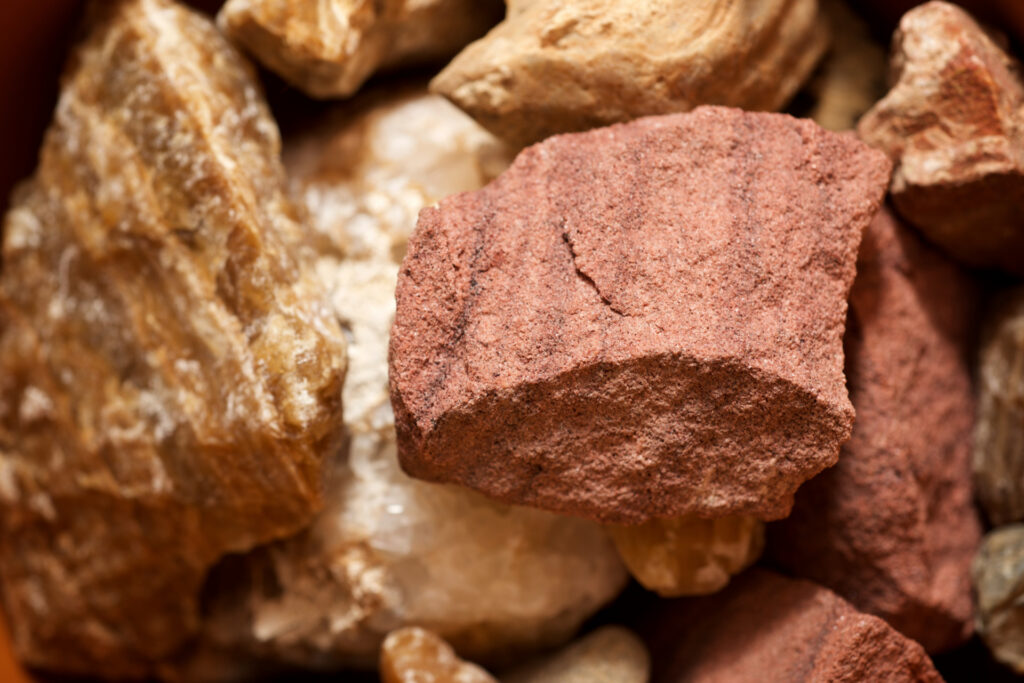
Montana’s geological diversity produces a wide range of collectible material beyond agates and sapphires. Moss agates, petrified wood, jasper, rhyolite, garnets, and occasional fossils turn up across different parts of the state depending on the underlying geology.

The badlands formations in eastern Montana weather out petrified wood and fossil material in ground that looks like the surface of another planet. The mountains of western Montana produce garnets, tourmaline, and other mineral specimens in old mining districts and stream drainages that have never been fully explored. The plains between hold surprises for those who know what they are walking on.

Beartooth members gain exposure to the range of collectible material available across Montana and learn to match terrain to likely finds before heading into the field.

READING THE LAND

Rock hounding is as much about geology as it is about finding stones. Understanding how different rock types form, how weathering releases material from host rock, and how water and gravity concentrate heavy minerals in predictable locations makes every outing more productive.

A rockhound who understands the basics of Montana geology does not wander randomly. They work terrain systematically, know which formations to investigate and which to pass by, and understand why certain creek bends, gravel bars, and badlands exposures produce while others do not. Beartooth Treasure Hunters covers the practical geology that makes that kind of purposeful hunting possible.

JOIN THE SEARCH

Montana has more collectible ground than any one person can work in a lifetime. Beartooth Treasure Hunters gives you experienced guidance, club access to productive areas, and the accumulated knowledge of members who have been working this state’s geology for years.

The best rock hounding spots are rarely found on a map. They are found through experience, through conversation, and through getting out with people who already know where to look.

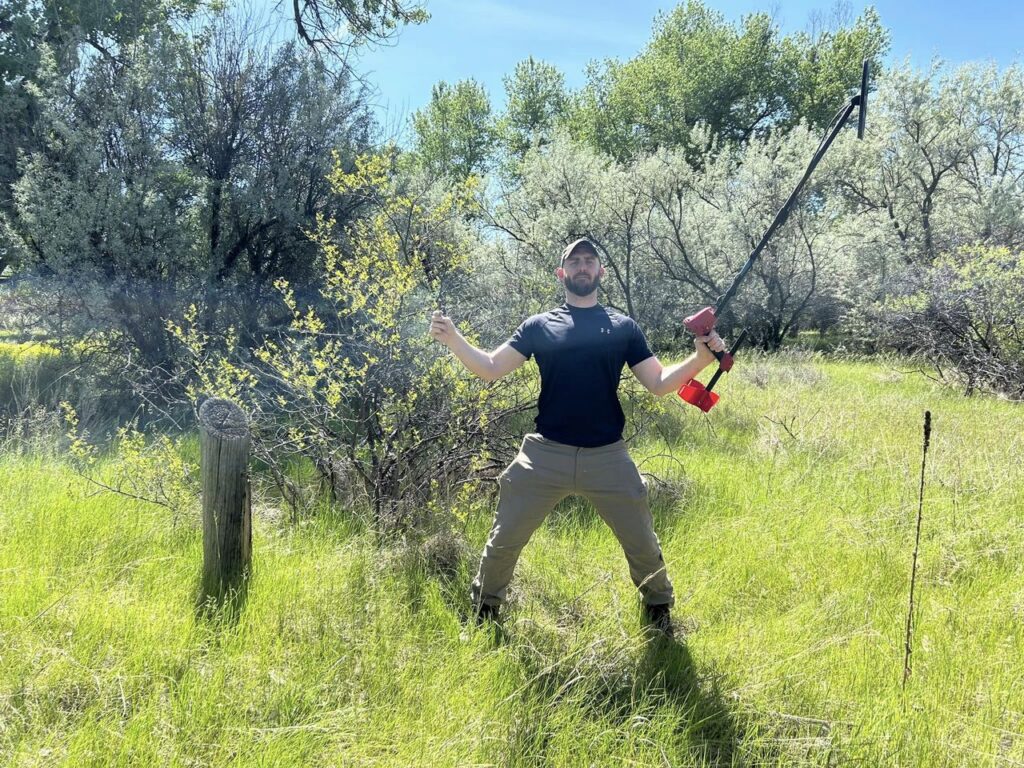
Montana’s history runs deep. Homesteads, frontier towns, military encampments, trading posts, and the lives of generations of settlers left objects in the ground across this state that have never been recovered. Metal detecting is how those objects come back to the surface. Beartooth Treasure Hunters gives members the knowledge, access, and community to find them.

FIELDS AND FARM SITES

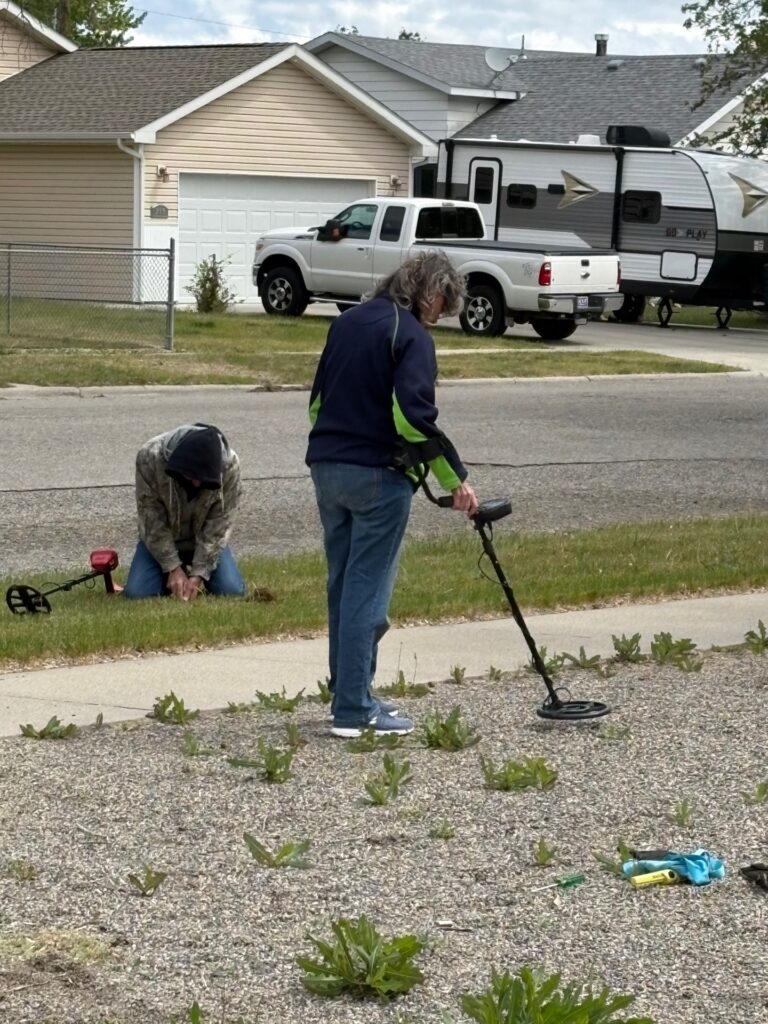
Old homestead sites and agricultural fields are among the most productive ground a detectorist can work. Where people lived, worked, and gathered, objects were lost and left behind. Buttons, coins, tools, personal items, and occasionally something genuinely significant turn up in ground that looks completely unremarkable from the surface.

Working farm sites and old homesites requires permission and the ability to read the land for signs of past activity — old trees, depressions, stone foundations, and changes in vegetation that point to where structures once stood. Beartooth members learn to identify productive sites and to approach landowners in ways that get a yes more often than a no.

LOCAL PARKS AND PUBLIC SPACES

Parks and public gathering spaces have been collecting lost objects for as long as people have used them. Coins, jewelry, and personal items lost at picnics, events, and everyday use accumulate over decades in ground that is accessible and legal to detect with the right permissions in place.

Modern losses mix with older finds in parks that have seen generations of use. A park established in the early 1900s may have a coin line that runs from wheat pennies and Buffalo nickels down to older material depending on how deep the soil goes and how much ground disturbance has occurred over the years. Knowing how to read that layering and how to dig cleanly without leaving a trace is part of what Beartooth members learn.

SPECIAL PERMISSION SITES

Some of the most historically significant detecting ground in Montana is on private land that requires building a relationship before anyone gets access. Old military sites, frontier trading post locations, early settlement areas, and land that has never been detected sit behind permission walls that most detectorists never get through.

Beartooth Treasure Hunters has established relationships with landowners across the region that give members access to ground most people will never swing a coil over. Those relationships are built on trust, on leaving sites better than we found them, and on the reputation the club has earned over years of responsible detecting. Membership opens doors that individual detectorists simply cannot open on their own.

WHAT YOU MIGHT FIND

Montana ground holds a remarkable range of material depending on where you are hunting. Coins range from modern clad to early American silver and copper. Relics include military buttons and insignia, pioneer-era tools and hardware, personal items, and trade goods. Occasionally detectorists turn up buried caches, forgotten collections, and objects with genuine historical significance.

Not every hunt produces a trophy find. The productive detectorist learns to appreciate the information each target provides — what it says about the history of a site, what it suggests about where to look next. The hunt matters as much as what comes out of the ground.

DETECTING RESPONSIBLY

Access to good detecting ground depends entirely on reputation. A detectorist who leaves holes open, damages property, or removes historically significant objects without documentation loses access and makes it harder for everyone who comes after them.

Beartooth Treasure Hunters takes responsible detecting seriously. Members learn proper digging and recovery technique, how to document significant finds, and how to leave a site in the condition they found it. That reputation is what keeps the permission sites open and the landowner relationships intact.

JOIN THE HUNT

Beartooth Treasure Hunters gives you more than detecting knowledge. It gives you access to sites, experienced mentors who know this ground, and a community of people who take the history as seriously as the finds.

Getting out with the right people in the right places produces results that solo detecting rarely matches.

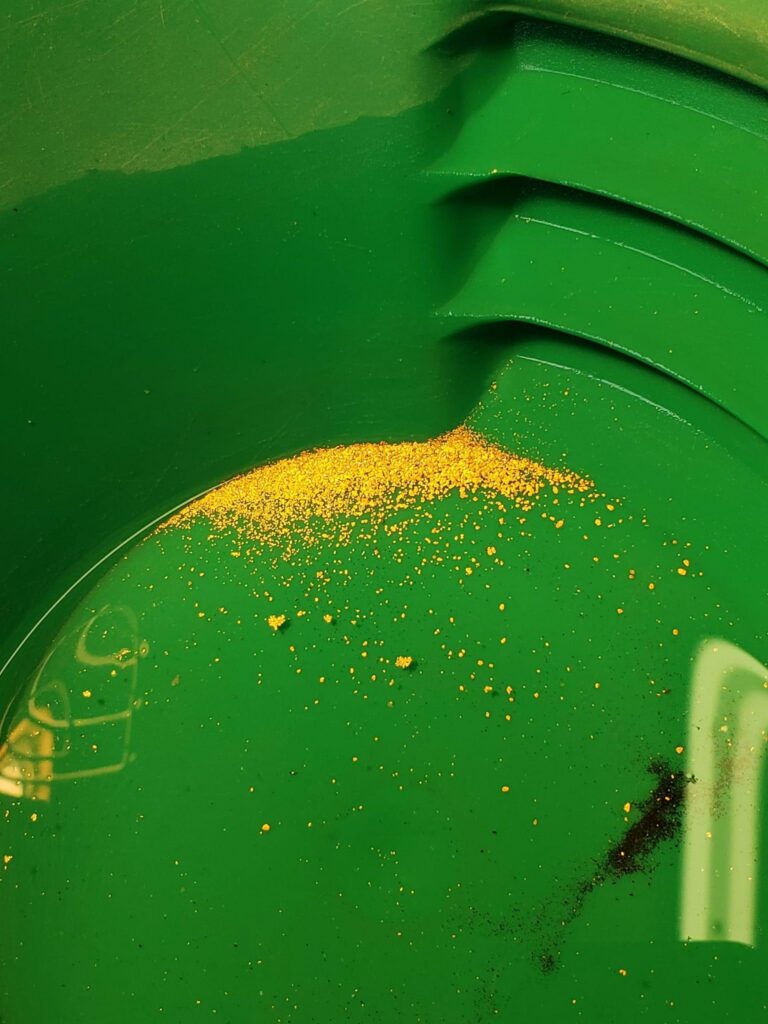
Montana has been gold country since the 1860s. The creeks, gravel bars, and dry washes that yielded fortunes to the original placer miners are still producing gold today for those who know where to look and how to work them. Beartooth Treasure Hunters teaches you the techniques that actually find gold – not just the theory, but the hands-on practice that comes from years of working Montana ground.

PANNING

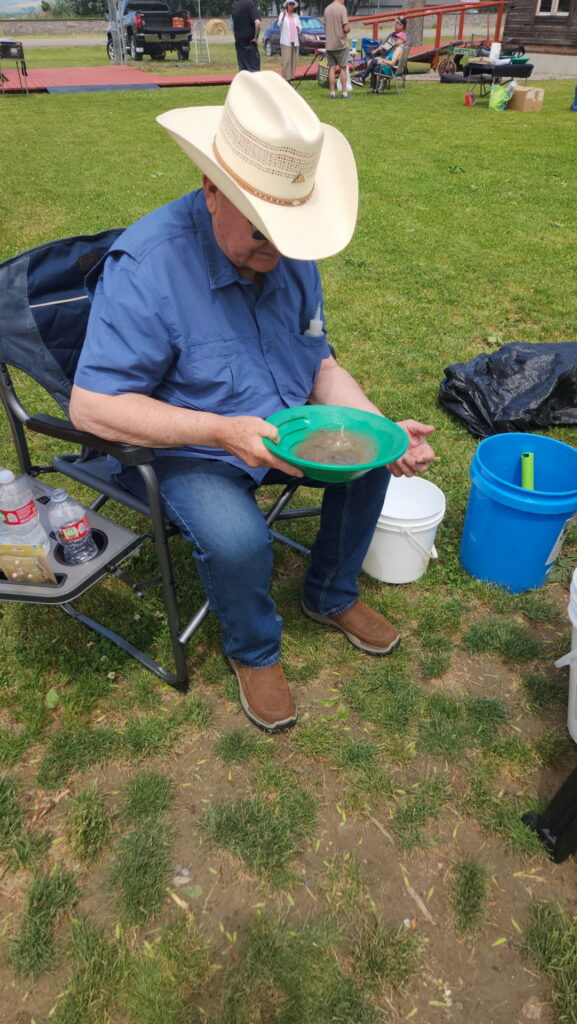
Gold panning is where most prospectors start and where the fundamentals of placer recovery are learned. The process is simple but the technique matters — the right motion, the right speed, and understanding how gold behaves in water and gravel are what separate a good pan from an empty one.

Beartooth members learn to read a pan, identify black sand concentrations, and spot fine gold that beginners typically wash away. Panning is also the most portable method available, requiring nothing more than a pan and access to water. For Montana’s mountain streams and creek bars, it remains one of the most effective tools a prospector can carry.

DRY WASHING

Not all gold country has water nearby. Dry washing uses air instead of water to separate gold from lighter material, making it the go-to method for desert-style terrain and Montana’s drier gulches and bench deposits where running water is seasonal or scarce.

A properly operated dry washer can process significant volumes of material efficiently. Beartooth members learn how to set up and tune a dry washer for local conditions, how to identify productive dry ground, and how to pull fine gold out of the concentrate. Dry washing opens up ground that water-dependent methods simply cannot reach.

SLUICING

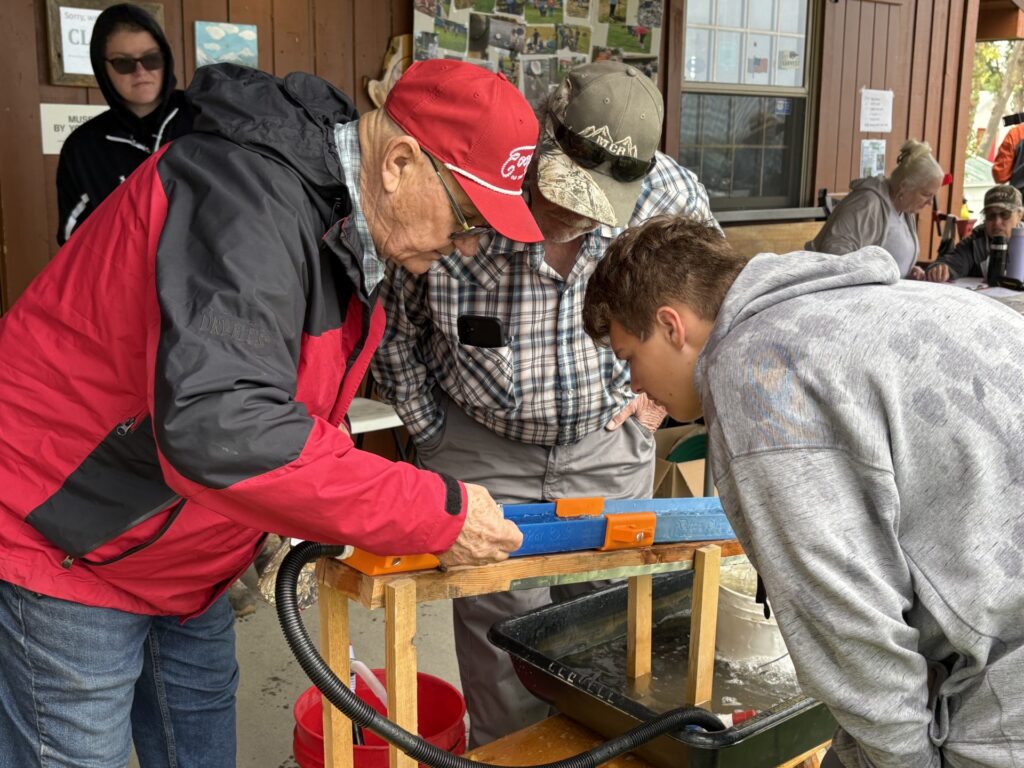
When you have access to running water and want to move serious volume, a sluice box is the most efficient hand-operated placer recovery tool available. In good ground, a well-set sluice can process many times what a panner works in the same time.

The variables that matter — water flow, box angle, riffle spacing, and reading the material — take time to learn correctly. Set up wrong, a sluice will lose fine gold consistently. Beartooth members work through proper sluice setup and operation in field conditions, learning to recover the gold that careless setups leave behind.

UNDERSTANDING PLACER DEPOSITS

Technique only takes you so far. Knowing where gold accumulates — how it moves in a stream system, where it drops out of suspension, what geological features concentrate it — is what separates successful prospectors from those who work hard ground with good equipment and come up empty.

Beartooth Treasure Hunters covers the basics of placer deposit formation and how to read Montana terrain for productive ground. Understanding why gold ends up where it does makes every technique more effective.

GET IN THE FIELD

Membership in Beartooth Treasure Hunters includes access to club outings, field instruction, and a community of experienced Montana prospectors. Whether you are just starting out or looking to improve your recovery rates, getting out with people who have worked this ground for years is worth more than any equipment purchase.